Guide to Essential House Purchase Documents
Key takeaways:
- Get your documents ready early to help speed up the house-buying process.
- Review all your property paperwork carefully to reveal important details about the property and what’s included in the sale.
- Your sale is legally binding when contracts are exchanged, which is when you pay the deposit and commit to the purchase.
The complete checklist

Understanding the house buying journey
Buying a home, particularly for first-time buyers, is a labyrinth of unknown territory that is often subject to changing rules and requirements. During pre- and post-completion, several documents may be sent and requested. The key stages include:
- Mortgage application and acceptance
- Conveyancing and legalities
- Exchange and completion
- Post-sale documentation
Depending on the property type and buyer’s status, not all documents will apply. Regardless, it’s always smart to have an in-depth understanding of all the scenarios you could potentially come across.


ID and proof of address
At the start of your journey, you will be required to provide proof of your ID and address to your chosen solicitor and mortgage provider. This is important because businesses must comply with anti-money laundering regulations. You can provide this either as a valid passport or driving license, with a utility bill or bank statement as support.
Mortgage in Principle (MIP) & mortgage deed
It’s good practice to have this in place before you start going for viewings, as it demonstrates a provisional agreement indicating how much you can borrow from the lender. It’s not uncommon for estate agents or sellers to ask if you have an agreement in principle already, as it makes you appear as a more serious buyer. Once you have an offer accepted, you can then make a formal application to obtain an official mortgage agreement.

Proof of deposit
In the process of getting your mortgage accepted, you will most likely be required to send proof of your finances to the lender. This typically includes 3 months of recent bank statements to demonstrate sufficient funds to cover the deposit, or documentation if the deposit is gifted, which applies to cash buyers as well.

Pay slips and finances
Alongside your bank statements, lenders can request at least 3 to 6 months of pay slips too. This is proof of stable employment, along with verifying your financial circumstances. A lender usually looks for regular loan payments, savings, overdraft use, and anything that stands out, which is why it’s wise to avoid large loans in the months leading up to an application. If you’re self-employed, you may have to provide additional bank statements, tax returns, account history, an SA302 form, and more, depending on the lender.

Property information form (TA6)
This can either come from the seller or solicitor and is a crucial document that buyers should oversee. It details specific information about the property you’re purchasing, including gas, electricity, boundaries, septic tanks, Japanese Knotweed, flood and radon gas risks, planning permissions, and more. This is a really useful piece of documentation, and it’s always best to take your time and read it carefully.

Fittings and fixtures form (TA10)
This document details everything included and excluded from the property. This can cover items from flooring, light fittings, appliances, curtains, sheds, outdoor plants, and a diverse range of other items. It’s very important to go through this list beforehand and on move-in day to make sure everything is correct as stated.

Surveys and searches
This is usually the longest process, with mandatory searches including local authorities, water and drainage, and environmental checks. Further searches can come up if your solicitors deem it essential, which often include a coal mining report and a land registry search. The additional documents you receive are entirely dependent on the property you are purchasing, with optional extras you may wish to consider.

Safety certificates and EPC
An Energy Performance Certificate is to be provided with the sale of all properties, indicating energy efficiency and improvements that could be made. You may also request a safety certificate for the boiler; this is common if there is no recent service history available.

Exchange of contracts
Not only is this the final stage, but it is also the point where the sale becomes legally binding. Before settling on a move-in date, contracts will be sent to you for exchange. It’s important to read this thoroughly, as once they’re exchanged, you can no longer pull out of the sale. This is also the point where you pay your fees and deposit to the solicitor. After both parties have signed, it’s time to celebrate!

Stamp duty receipt
A Stamp Duty Land Tax (SDLT) receipt is typically sent through your solicitor, which is usually no more than a couple of days after completion. You are given 14 days from completion to pay your stamp duty, and in most cases, this is added to your solicitor’s expenses. However, it’s solely the buyer’s responsibility to pay their stamp duty within time, so it’s always good to check who will be sending the funds across.

Warranty and insurance
For new builds in particular, they typically come with a 10-year build warranty as standard. This is a special insurance policy that protects homeowners if structural defects arise, at no additional cost to the buyer. All information regarding this should be provided once you’re moved in.
It’s also common for homeowners to opt for building, contents, and life insurance. Although not mandatory, it’s reassuring to remain protected from repairs to your home, loss of contents due to fire, accident, and theft, or if you’re unable to repay your mortgage due to unexpected circumstances.
Become buyer-ready with Sky-House
Buying a home is not only a milestone time in your life, but it also requires extensive planning and a whole lot of paperwork. By being prepared beforehand, you can make the process far less stressful than it needs to be.
At Sky-House, we have helped residents across our neighbourhoods experience an effortless and helpful buying process, right from the very start. If you’re looking for your future dream home or simply need some guidance, contact a member of our friendly team today!
Get in touch
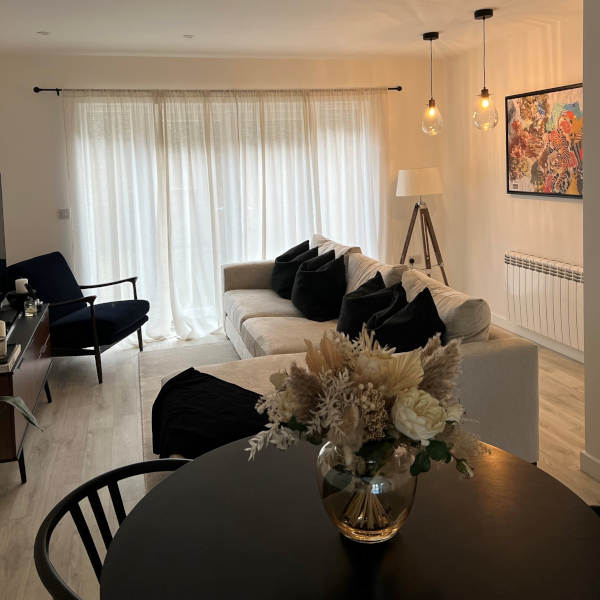
Choosing a Sky House really was the best decision. My Sky House is completely different to all new build homes and that's why I love it. Hassle free with all the extra details. Of course, the economic values are great but the roof terrace is the perfect touch and my favourite part.
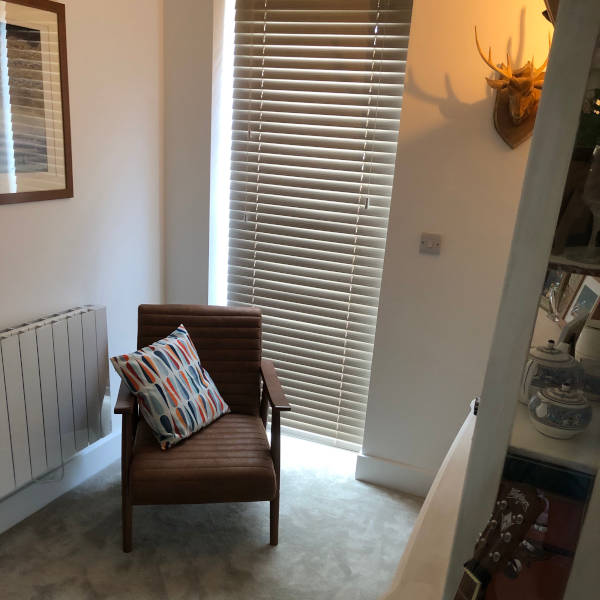
I love the sense of space and light. I like how every part of the house has a purpose and feels different in its own right. I think one of my favourite spaces is the landing. It could easily have just been an after thought - but I like that it feels like an extra little room to sit and read or just chill in.
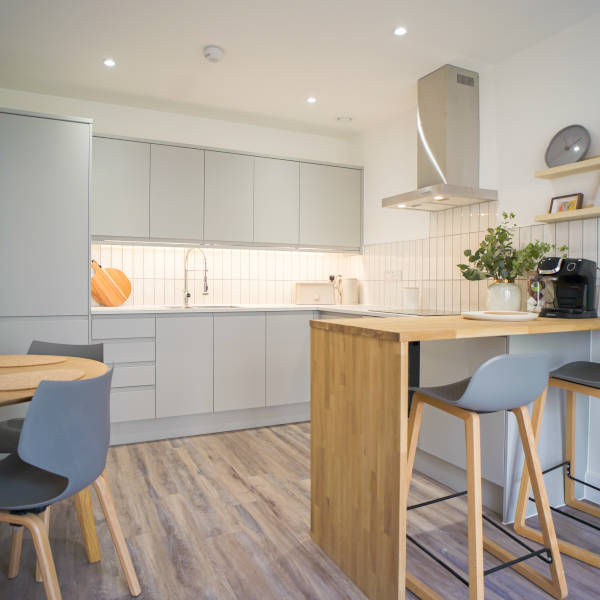
The houses are lovely and much higher quality finish than other new build homes.
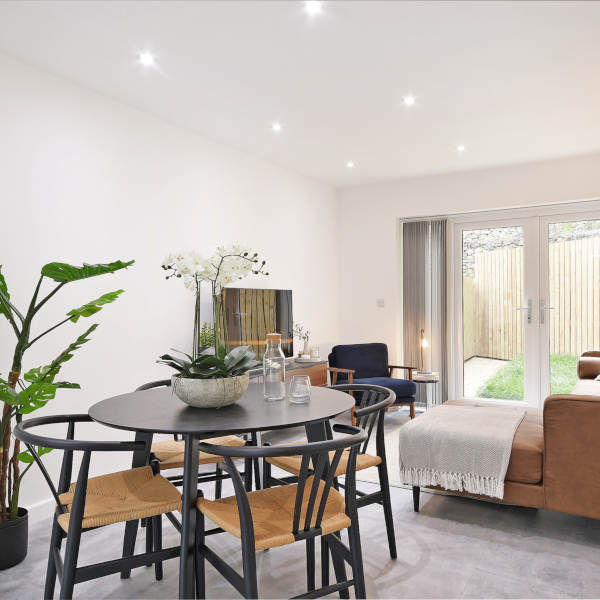
I love the design of my new house and all its features. You definitely create attractive modern housing.
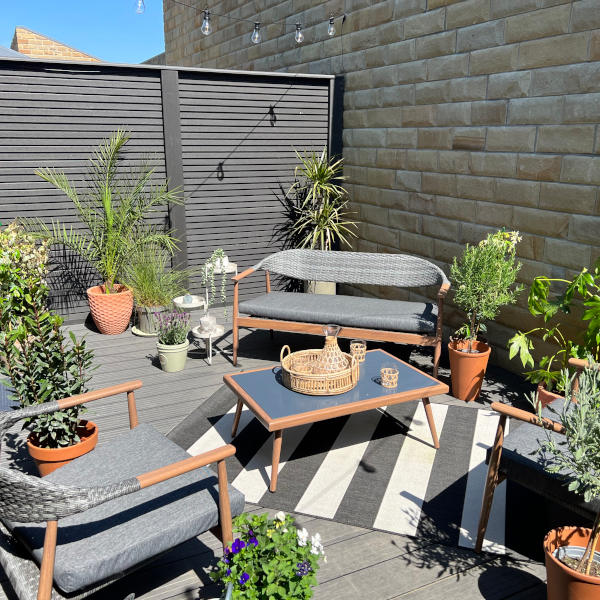
Nice developments that stand out from the usual new build sites.
Ready to be part of a Sky House
community?

Get in touch