Insights
Waverley, Rotherham: A Complete Area Guide for Buyers
A walk by the lakes after work, coffee close to home and somewhere you can picture putting down roots: there’s plenty to love about…

Private rentals have significantly increased over the years, with first-time buyers now reaching 32 years of age as a national average. As a result, private dwellings are in higher demand across the housing market, and for much longer time periods. For aspiring property investors, it’s integral to have a deep understanding of the marketing and what is expected from a buy-to-let mortgage. This guide aims to provide a deep dive into what rental properties entail and the legalities surrounding landlords.
A buy-to-let mortgage differs from traditional residential mortgages, offering the opportunity for individuals to take out a loan in order to obtain an investment property with the intention of being rented.
Lenders will often base their requirements on an 80% Loan-to-Value (LTV) rate and can expect a rental income of 125% or higher. This type of mortgage is specifically catered to landlords, and there are often many specifications that go into obtaining this type of mortgage.
Proof of income must be provided, generally around a minimum requirement of £25,000 per year, with a good credit score to match. Alongside this, there can be age stipulations with some lenders not providing loans for those aged 75 years or above, sometimes even lower. It can also be requested that you already have property ownership in place.
Generally, interest rates will be higher than a standard residential mortgage. However, this is determined by your LTV, the loan length, and the type of lender.
Buy-to-let mortgages will commonly utilise an interest-only repayment method. This allows for the monthly outgoings to cover only the accrued interest, with the outstanding loan to be paid off in full at the end of the term. This is popular due to the lower payments required over a shorter time frame.
Typically, you cannot charge a lower rental fee if it falls out of your lender’s minimum requirement. As standard, it’s expected that the monthly rent should cover a minimum of 125% of the mortgage. For example, this would result in a £500 mortgage to have a rental cost of £625.
For buy-to-let mortgages, a higher deposit is expected and will be set depending on the lender. It’s not uncommon for lenders to stipulate between 20% and 25% as the minimum requirement.
Within the UK, landlords have a legal and moral obligation to make sure that the property is in good working order and safe for tenants to live in. This is most applicable to major repairs to the property and maintaining the functionality of the home. An up-to-date EPC rating must be supplied to showcase the energy efficiency of the property.
Creating a safe home is vital before tenants can reside in the property. This means taking out sufficient gas and electric certificates, providing working smoke and carbon monoxide alarms, fire safe furnishings and meeting health and safety inspection standards.
It’s important that tenants remain protected, which results in an established tenancy contract with full details on the legal agreement between both parties. Additionally, deposit protection schemes are required to ensure that the deposit placed by the tenant is kept secure until the end of their tenancy.
As a landlord, it’s your responsibility to conduct right to rent checks on the tenant to ensure they are legally allowed to reside in the UK.
One crucial aspect of renting a property is the additional tax that needs to be paid. When letting out a property, it becomes subject to capital gains tax which is then liable to be paid once sold. If this isn’t your first property, or secondary to an existing one, then stamp duty must be charged for the value of the entire property price.
Three levels of insurance are required to be taken out when becoming a landlord. This includes building insurance, which is essential to obtaining your mortgage and protecting the property. Contents insurance will cover all furniture and fixtures within the home in the event of any damage occurring. Landlord liability insurance protects you if any injury or death occurs to the tenants while within the boundaries of the property.
Choosing to become a landlord is a personal choice and one that is dependent upon the type of property and your current financial or personal situation. When conducted efficiently and legally, while having an in-depth understanding of the market, then letting a property can be a lucrative and rewarding outcome.
A letting agent can act on your behalf to eliminate additional stress and ensure the process remains compliant. They can encompass tasks such as finding tenants, collecting rent, managing maintenance issues, and becoming the main point of contact.
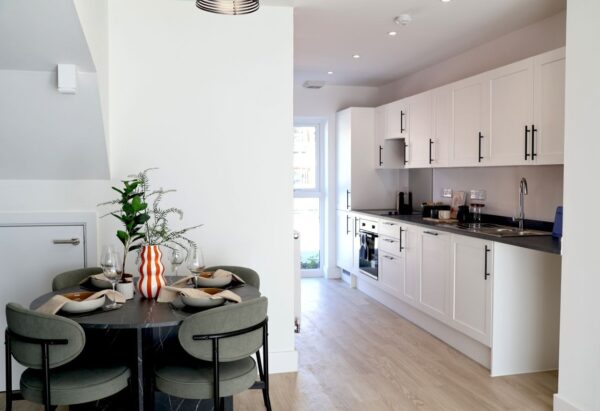
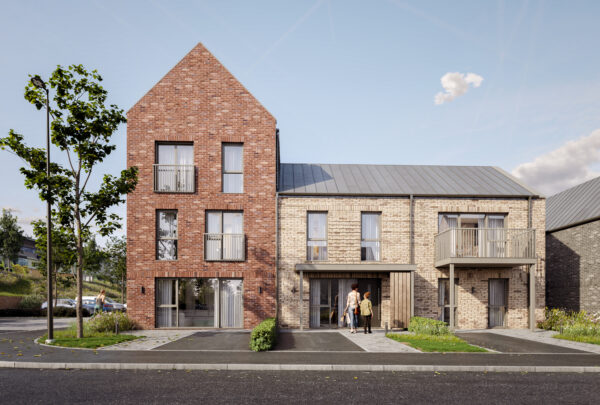
Absolutely, there are a variety of lenders on the market who provide buy-to-let mortgages for newly built properties. New build homes are incredibly popular in the rental market since they’re not as common as older homes, while also often having great EPC ratings and lower maintenance costs. Additionally, newer properties are becoming more integrated with sustainable features, which are becoming high in demand to help combat rising energy costs.
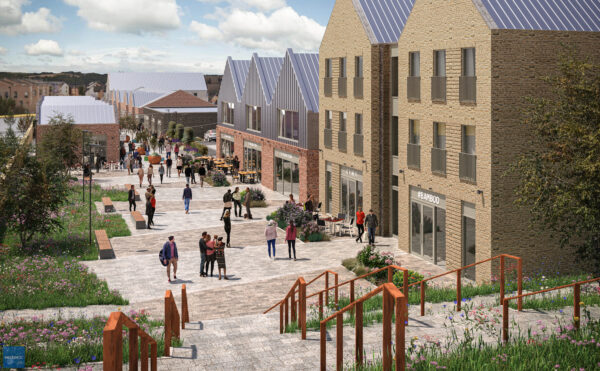
At Sky-House Co., we are passionate about creating design-led homes that are at the forefront of sustainability and community. Our homes feature integrated solar panels, EV charging, air source heat pumps and carbon-neutral construction methods as standard, resulting in lower maintenance costs and adopting the philosophy of eco-living.
Our team are on hand to offer friendly guided support, helping you navigate the market with our trusted sales advisors. To find the right home for your investment journey, reach out to a member of our team today!

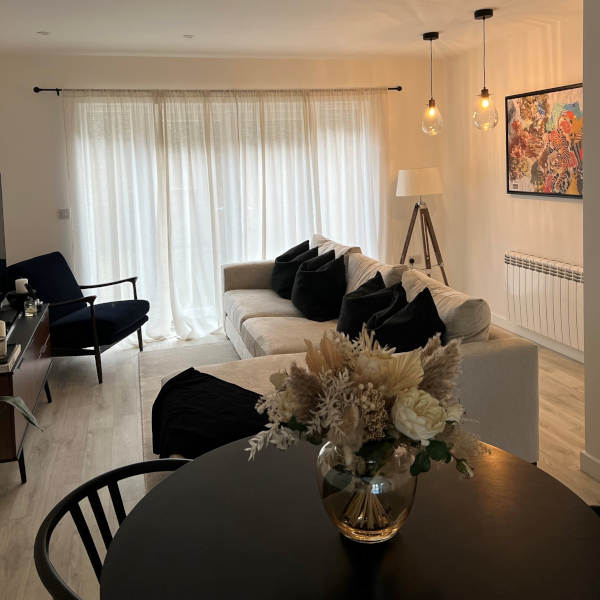
Choosing a Sky House really was the best decision. My Sky House is completely different to all new build homes and that's why I love it. Hassle free with all the extra details. Of course, the economic values are great but the roof terrace is the perfect touch and my favourite part.
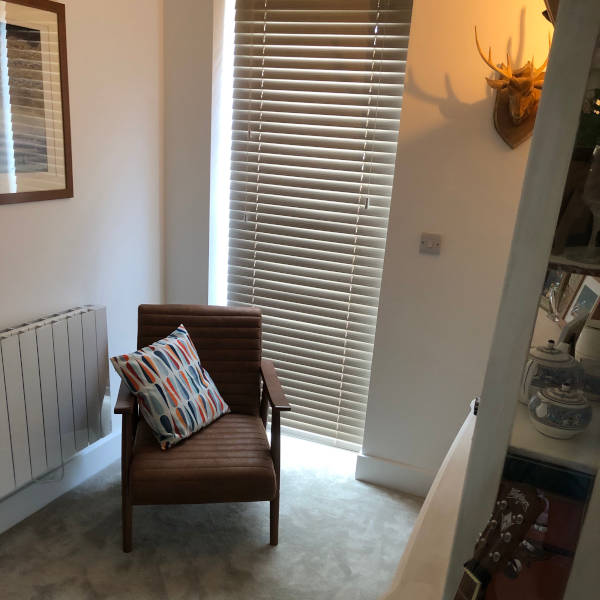
I love the sense of space and light. I like how every part of the house has a purpose and feels different in its own right. I think one of my favourite spaces is the landing. It could easily have just been an after thought - but I like that it feels like an extra little room to sit and read or just chill in.
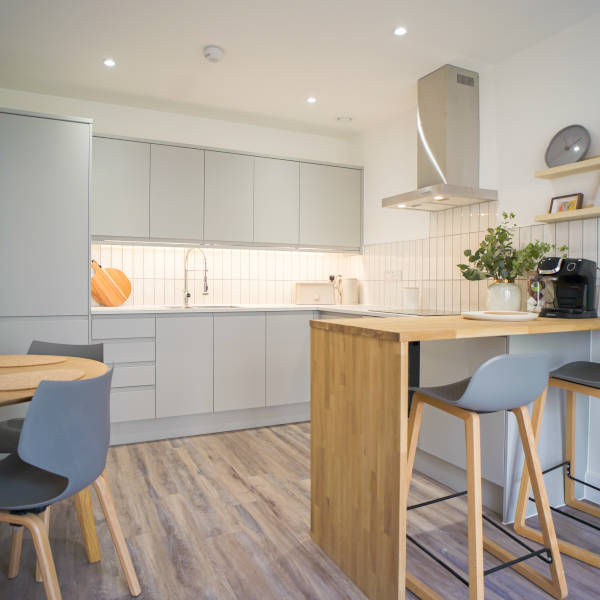
The houses are lovely and much higher quality finish than other new build homes.
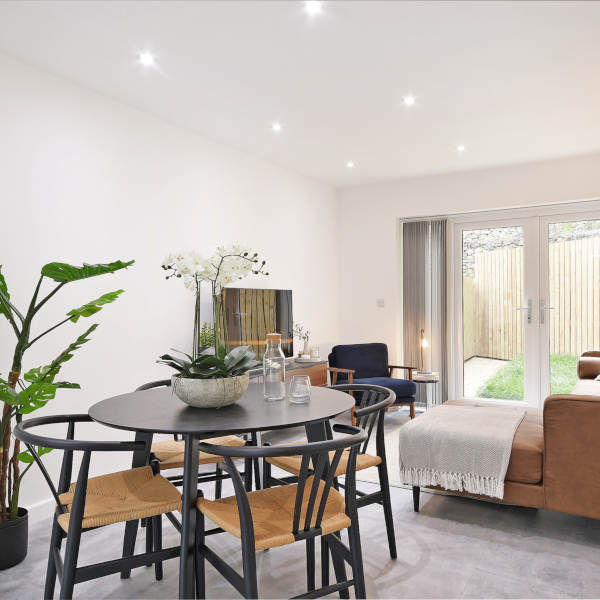
I love the design of my new house and all its features. You definitely create attractive modern housing.
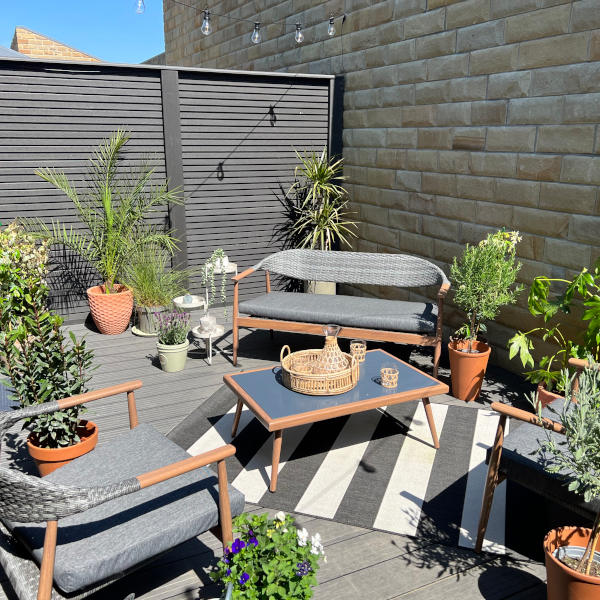
Nice developments that stand out from the usual new build sites.