What Is a Gifted Deposit?
Saving for a house deposit can feel like a long game, especially when everyday expenses keep helping themselves to the same pot of money. If a family member is able to give your deposit a boost, however, you could find yourself ready to buy sooner than expected.
This financial helping hand is known as a gifted deposit. While it is a common way to support someone buying a home, there are a few rules and pieces of paperwork to understand before the money starts moving between bank accounts.
What is a gifted deposit?
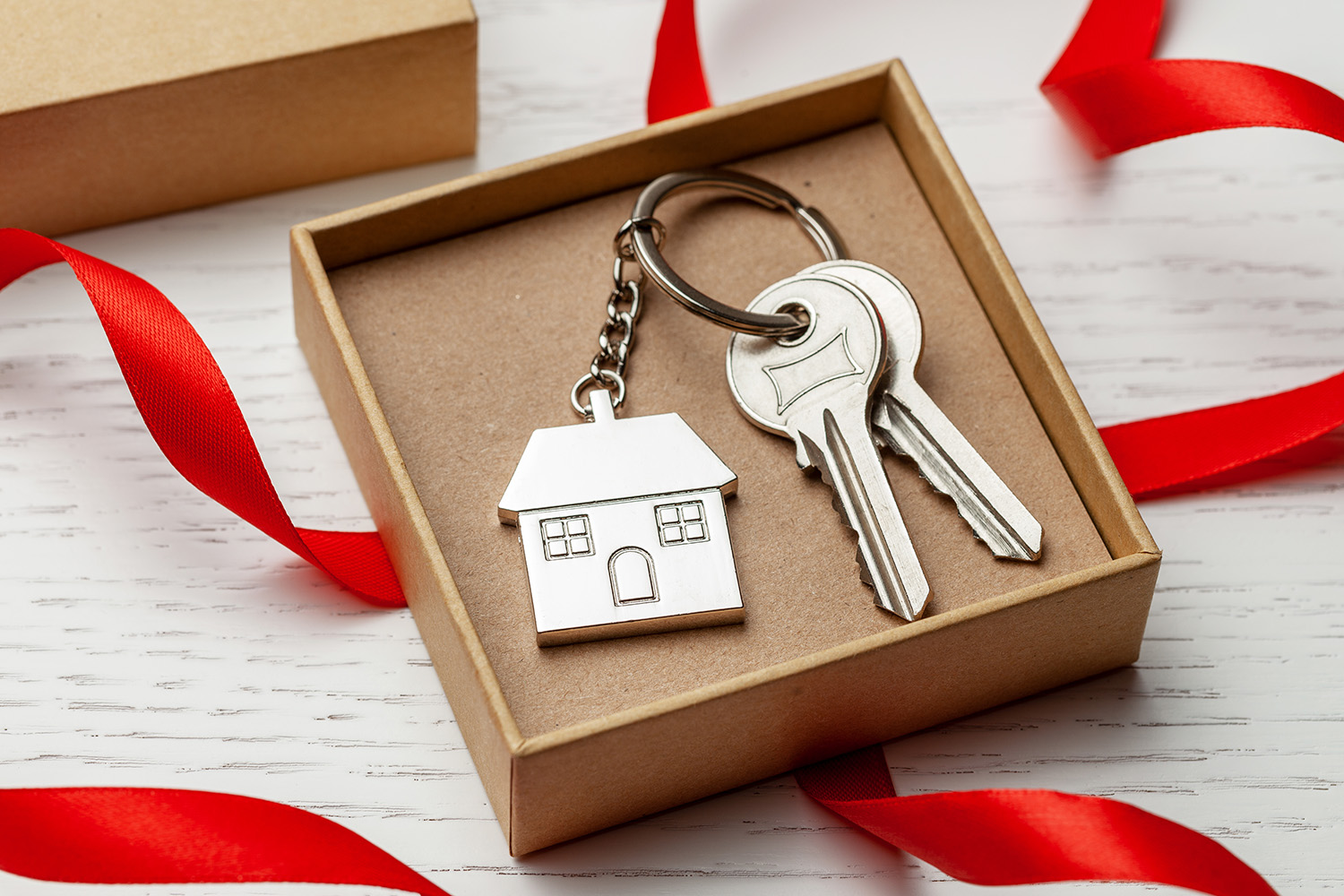
A gifted deposit is money given to a homebuyer to cover some or all of their property deposit. It usually comes from a close family member and must be a genuine gift, which means the person providing it does not expect to be repaid or receive a share of the home in return.
You might have already saved 5%, for example, before a parent or grandparent adds to the pot. A larger deposit could provide access to a wider choice of mortgage products, depending on your circumstances and the lender’s criteria.
How does a gifted deposit mortgage work?
Despite the name, a gifted deposit mortgage is not usually a special mortgage product tucked away behind the counter. It is a standard mortgage where some or all of the deposit has been given to the buyer by somebody else.
Your lender and conveyancer will need to know about the gift, ideally from the beginning of the process. They will ask for evidence showing where the funds came from and confirmation that it is not a private loan in disguise.
The gift may strengthen your deposit, but the usual affordability checks still apply. Your lender will consider your income, outgoings, credit history and whether you can comfortably manage the monthly repayments.

What are the gifted deposit rules?
There is no single rulebook followed by every mortgage provider, so requirements can vary. However, the main gifted deposit rules usually state that:
- The money must be given without any expectation of repayment.
- The donor should not receive ownership rights or a financial interest in the property.
- The source of the funds must be declared and supported by evidence.
- The donor may need to provide identification and proof of address.
- Both the lender and conveyancer must be told about the arrangement.
Some providers only accept gifts from close relatives, while others are a little more flexible. Before transferring anything, check the criteria with your mortgage adviser or chosen lender. It is much easier than having to untangle the details halfway through the purchase.
What is a gifted deposit letter?
A gifted deposit letter, sometimes called a gifted deposit declaration, puts the arrangement in writing. Your lender or conveyancer may provide their own form, but it will generally confirm:
- Who is providing the gift and their relationship to you
- How much money is being given
- Where the funds have come from
- That the money does not need to be repaid
- That the donor will have no interest in the property
- The address of the home being purchased, if known
Bank statements may also be requested to show how the donor built up the funds. This is part of the usual anti-money laundering process rather than anyone being unusually nosey.
Are there any problems with a gifted deposit?
Most gifted deposits are fairly straightforward when everyone is open about the arrangement. The main problems with gifted deposit purchases tend to arise when the gift is declared late, its source is difficult to evidence or the donor actually expects repayment.
There may also be Inheritance Tax considerations if the donor dies within seven years of making the gift, depending on its value, timing and any available allowances. The government’s guidance on gifts and Inheritance Tax provides further information, although professional advice should be sought where necessary.

Can you use a gifted deposit for a new-build home?
Yes, a gifted deposit can usually be put towards a new-build home, provided it meets your lender’s criteria. Mention it early, gather the paperwork and keep a clear trail showing where the money came from. A little organisation now can prevent plenty of head-scratching later.
Once you understand your budget and have spoken to an independent mortgage adviser, explore the latest homes available from Sky-House and take the next step towards finding your dream place.
This blog provides general information and does not constitute mortgage, legal or tax advice.
FAQs
When does a gifted deposit become savings?
There is no universal timeframe. Some lenders may treat gifted money as personal savings once it has been held in your account for a set period, but their rules differ. You should still explain where the funds came from if asked.
Does a gifted deposit need to be in my account?
Not always. The money may be transferred to your account or handled through your conveyancer, depending on the lender’s requirements. Check before transferring the funds and keep clear records of the transaction.
What counts as a gifted deposit?
A gifted deposit is money given towards a property deposit with no expectation of repayment. The person providing it must not usually receive a share or legal interest in the home.
How does a gifted deposit work?
The gifted money covers some or all of your house deposit. Your lender and conveyancer will check its source and ask for confirmation that it is a genuine gift rather than a loan.
What is a gifted deposit letter?
A gifted deposit letter confirms who provided the money, how much was given and where it came from. It should also state that repayment is not required and the donor will have no interest in the property.
Where can I find gifted mortgage deposit advice?
An independent mortgage adviser can explain which lenders accept gifted deposits and what evidence you will need. A conveyancer can advise on the legal process, while a qualified tax adviser can help with any potential tax implications.
Neighbourhoods

We are proud of our neighbourhoods, which are built with care to create thriving and blossoming communities. Our homes are designed to help people live better lives.