How is Council Tax calculated on new builds?
Sky-House homes are designed to make modern living simple, stylish and stress-free – but alongside choosing your perfect home, it’s important to understand the practicalities of homeownership too…
One of the key costs to factor in is council tax, so here’s a clear guide to how it works, how it’s calculated, and what it means if you’re buying a new build property:
What Is Council Tax?
Council tax is a local tax paid by households across England to help fund essential public services. Let’s take a quick trip down memory lane: Introduced in 1993, it replaced the Community Charge (often remembered as the “poll tax” – ask your grandparents) and is now the primary way local councils collect revenue from residents.
If you own or rent a home, council tax helps pay for services that keep your area running smoothly. Think rubbish collection, road maintenance, libraries, emergency services, schools, and local infrastructure. In short, it’s the pot of money that helps your neighbourhood function.
Every property is placed into a council tax band, and the amount you pay depends largely on that band and the rates set by your local council.

How Is Council Tax Calculated?
Council tax is calculated based on the value of your property, but surprisingly, not its current market value. Instead, properties in England are placed into bands according to what they would have been worth in April 1991.
These bands range from Band A (lowest value) to Band H (highest value). Each band corresponds to a different level of tax, with higher-value homes paying more.
Property banding is assessed by the Valuation Office Agency (VOA), an organisation that works independently from local councils. Once a property is assigned a band, the local council sets the exact council tax rate for each band in its area.
Because councils set their own rates, the same band may cost different amounts depending on where you live.
What Is My Council Tax Band?
If you’re wondering “what is my council tax band?”, you’re not alone. It’s one of the most common questions homeowners and renters ask when moving into a new property.
The easiest way to find out is by using an official council tax band checker provided by the VOA. By entering your postcode, you can see the band assigned to your property and compare it with neighbouring homes.
Checking your band is useful when buying or renting a property, as it helps you estimate your monthly housing costs and ensures your home has been banded correctly.
How Much Is Council Tax a Month?
The exact amount of council tax you pay depends on three main factors:
- Your council tax band
- Your local council’s rates
- Whether you qualify for discounts or support
Most councils allow payments to be spread over 10 or 12 monthly instalments, making it easier to budget throughout the year.
While council tax might not be the most exciting bill to receive, it funds a wide range of services that benefit the entire community – from recycling and street lighting to parks, policing and social care.
Council Tax and New Builds
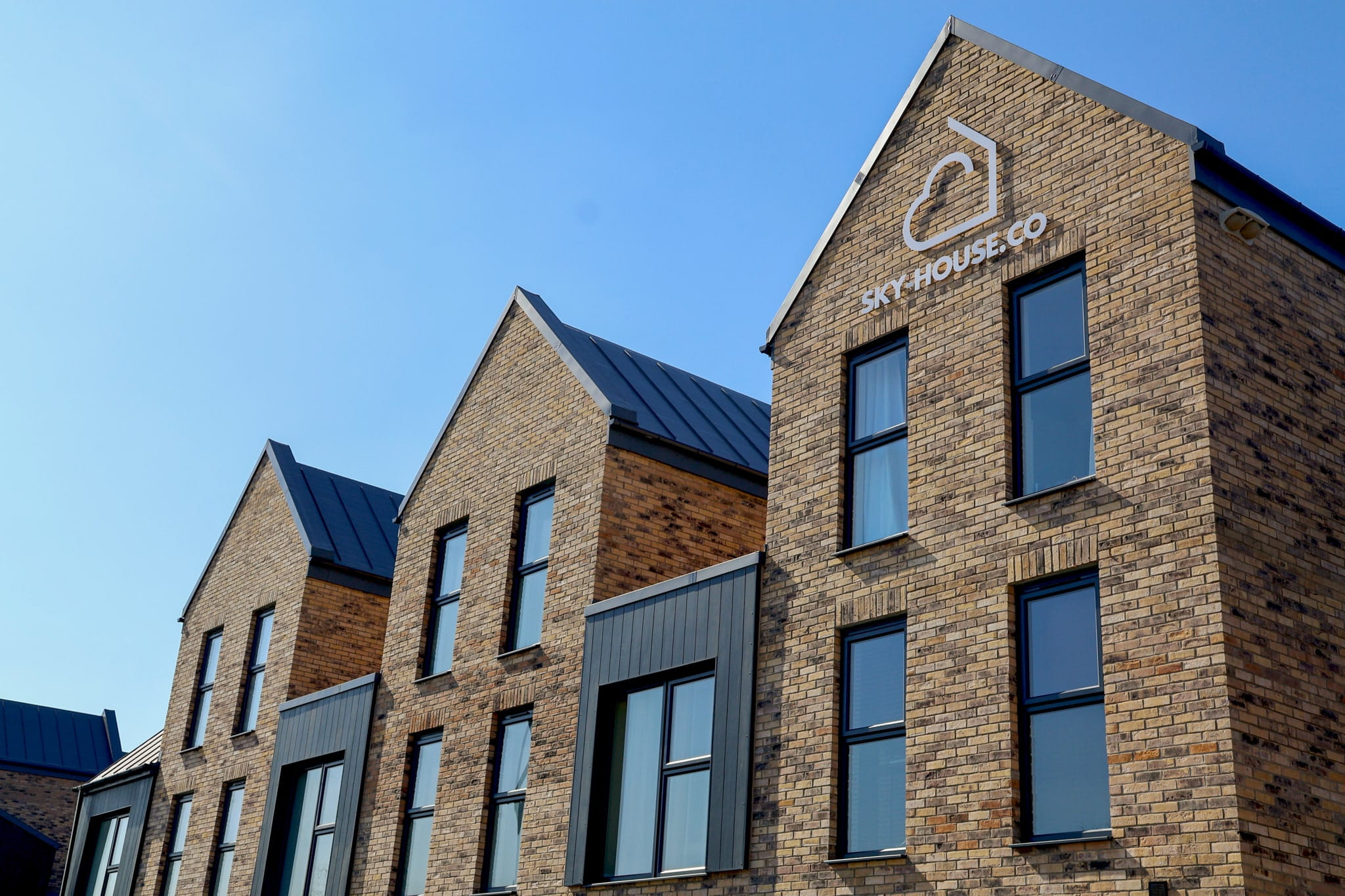
New build homes follow the same council tax system as existing properties, but there’s one key difference: the property must first be assessed and assigned a band.
When a new home is built, it doesn’t automatically have a council tax band. Instead, the VOA evaluates the property once construction is complete or when it is ready to be occupied.
To determine the band, the agency estimates what the property would have been worth in 1991, comparing it with similar homes that already exist in the area. Yep, even though the property is brand new, the valuation still uses historic price levels – a quirk of the council tax system.
Once the band is set, the local council applies its current tax rate for that band.
Sometimes there can be a short delay between moving into a new build and receiving the official council tax band. If this happens, the council will usually issue a bill once the band is confirmed, which may include backdated charges from the date the property became occupied.
Because new developments often contain multiple similar homes, properties within the same development are usually placed in similar bands. However, factors like property size, layout and market value can still influence the final band.
Council Tax Support, Discounts and Appeals
Not everyone pays the full council tax amount. Depending on your circumstances, you may be eligible for council tax support or discounts.
One of the most common reductions is the single-person discount, which provides 25% off if only one adult lives in the property. Students, apprentices, and certain other groups may also qualify for exemptions or reductions.
If you believe your property has been placed in the wrong band, you also have the right to challenge the decision. This involves submitting a request to the VOA, which will review the evidence and confirm whether the band should remain the same or be adjusted.
While council tax may not be the most thrilling part of homeownership, understanding how it works can help you budget confidently – whether you’re moving into a long-established property or a brand-new home.
Taking Control of Your Council Tax
Understanding council tax doesn’t have to be confusing and knowing how it’s calculated can help you plan your finances with confidence.
Whether you’re moving into a Sky-House new build or an established home, being informed means you can enjoy your space without any unwelcome surprises on your monthly bills.
Our friendly team are always happy to chat all things Council Tax if you have any more queries!
Neighbourhoods

We are proud of our neighbourhoods, which are built with care to create thriving and blossoming communities. Our homes are designed to help people live better lives.